
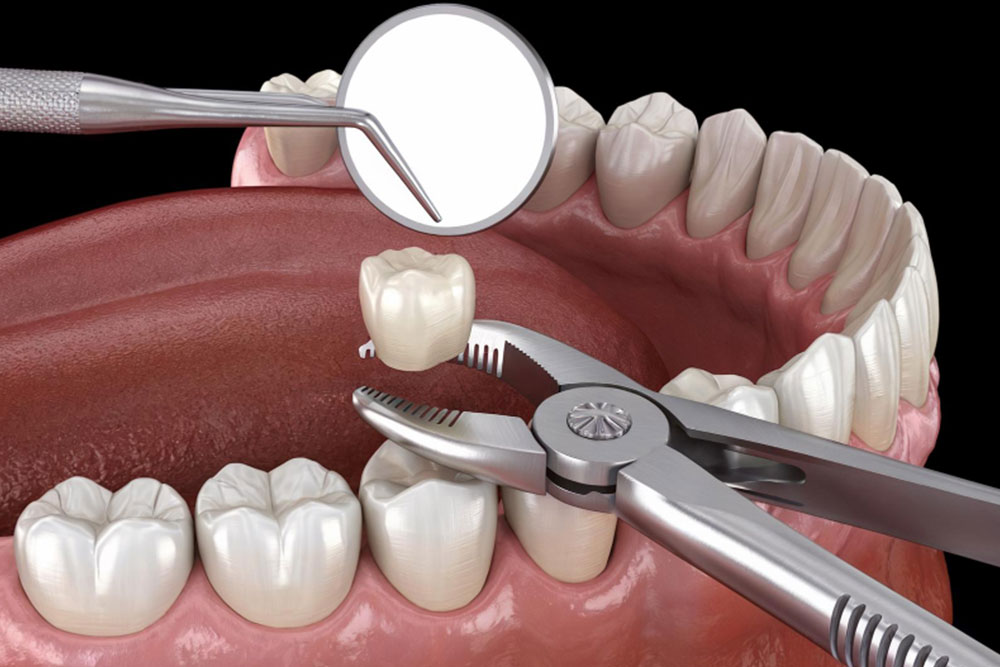
Sharp pain while chewing, swelling near the gumline, or sensitivity that does not fade often signals deeper tooth damage. At that stage, many patients face a difficult choice: tooth extraction or root canal treatment. Each option addresses infection and discomfort differently, and the right decision depends on tooth structure, bone health, long-term function, and personal health goals.
This guide explains how both treatments work, how dentists evaluate damage, recovery expectations, and how each option affects oral health over time, helping readers make informed decisions with confidence.
Understanding the Source of Tooth Damage
Dentists examine the cause of pain before discussing treatment. Deep decay, trauma, cracked enamel, or untreated cavities often allow bacteria to reach the inner pulp. That pulp contains nerves and blood vessels.
Once infection spreads inside the tooth, pain increases and swelling may follow. X-rays reveal bone changes, abscesses, and root damage. A clinical exam checks stability, gum health, and bite alignment. These findings guide the treatment plan and clarify which option fits best.
What a Root Canal Treatment Involves
A root canal focuses on saving the natural tooth. The dentist removes infected pulp, cleans the inner canals, and seals the space to block bacteria. After that, a crown usually covers the tooth to restore strength and function.
Modern techniques allow precise cleaning with minimal discomfort. Many patients report relief soon after treatment. This approach keeps the natural bite intact and avoids shifting of nearby teeth.
Root canal therapy suits teeth with strong roots, stable bone, and manageable infection. It also helps patients who value tooth preservation and chewing balance. When done early, this procedure often lasts for decades with proper care.
When Tooth Extraction Makes Sense
Extraction removes the entire tooth from the socket. Dentists recommend this option when decay destroys too much structure, fractures extend below the gumline, or infection compromises surrounding bone. Some wisdom teeth or severely loose teeth also require removal.
After extraction, the socket heals over several weeks. Dentists often discuss replacement options such as implants, bridges, or dentures to maintain spacing and chewing function. Without replacement, nearby teeth may shift, and bone volume may decrease over time.
Key Factors Dentists Use to Decide
Dentists weigh several elements before advising treatment:
- Extent of damage: Teeth with intact roots respond better to root canal care.
- Bone health: Strong bone favors saving the tooth. Severe bone loss limits options.
- Infection spread: Widespread infection may require removal to protect nearby teeth.
- Overall oral health: Gum disease or bite issues influence outcomes.
- Patient comfort and goals: Some patients prefer faster resolution, while others prioritize long-term structure.
These factors shape the recommendation and help patients understand the reasoning behind each option.
Comparing Comfort and Recovery
Modern dentistry focuses on patient comfort. Both procedures use local anesthesia to control pain. Root canal treatment often involves mild soreness for a few days, manageable with routine care. Patients return to normal activity quickly, with caution during chewing until the crown placement finishes.
Extraction recovery varies based on tooth position and complexity. Simple extractions heal faster than surgical ones. Swelling and tenderness may last several days. Dentists advise soft foods, gentle cleaning, and follow-up visits to monitor healing.
Cost Considerations and Long-Term Value
Cost plays a role in decision-making. Root canal therapy usually costs more upfront due to multiple steps and crown placement. Extraction often costs less initially, but replacement options increase total expense over time. Dental implants, bridges, or partial dentures involve additional visits and materials.
From a long-term view, saving a natural tooth often preserves jaw alignment and reduces future treatment needs. Patients should consider lifetime value, not only immediate cost.
Impact on Daily Life and Oral Function
Natural teeth support efficient chewing and clear speech. Root canal treatment maintains these functions with minimal change. Extraction without replacement may affect bite balance and facial structure. Missing teeth alter how forces distribute across the jaw, sometimes leading to uneven wear or discomfort.
Replacement options restore function but may require adjustment. Implants integrate with bone, while bridges rely on nearby teeth. Dentures need regular maintenance. Dentists explain these differences so patients understand daily implications.
How Dentists Handle Emergency Situations
Severe pain or swelling often requires same-day care. Emergency evaluations focus on infection control and pain relief. Dentists may prescribe medication or perform immediate treatment. In some cases, temporary measures stabilize the tooth before a final decision. Prompt care reduces complications and speeds recovery.
Patients seeking reliable dental care in Glendale often value offices that respond quickly and communicate clearly during urgent situations.
Making an Informed Decision Together
Choosing between treatments involves open discussion. Dentists explain findings, show X-rays, and answer questions in plain language. Patients share concerns about comfort, timing, and budget. This shared approach builds trust and clarity.
At this stage, patients often compare tooth extraction or root canal outcomes based on durability, comfort, and impact on future dental health. Clear explanations allow patients to feel confident in the path forward.
Preventing Future Tooth Damage
Good oral habits reduce the chance of facing this decision again. Daily brushing, flossing, and regular exams detect issues early. Protective measures such as night guards help patients who grind teeth. Timely fillings and crowns stop decay from spreading. These steps protect natural teeth and lower long-term treatment needs.
Cosmetic improvements also play a role in overall dental health. Services related to cosmetic dentistry can improve alignment and enamel appearance, which may help with cleaning and long-term maintenance when performed as part of a complete plan.
Why Location and Experience Matter
Local dental offices understand community needs and patient expectations. Familiarity with insurance plans, scheduling flexibility, and consistent care from the same dentist add comfort. Patients in Glendale and Peoria often appreciate practices that combine technical skill with personal attention.
When evaluating tooth extraction or root canal care, choosing a trusted local provider makes the experience smoother and more reassuring.
Take the Next Step With The Grove Family Dental
At The Grove Family Dental, we guide patients through treatment choices with clear explanations and honest recommendations. Our family-owned practice focuses on comfort, same-day emergency care, and continuity with the same dentist.
If tooth pain raises questions about your next step, contact us today to discuss options and plan care that fits your health and goals.
Leave a Reply