
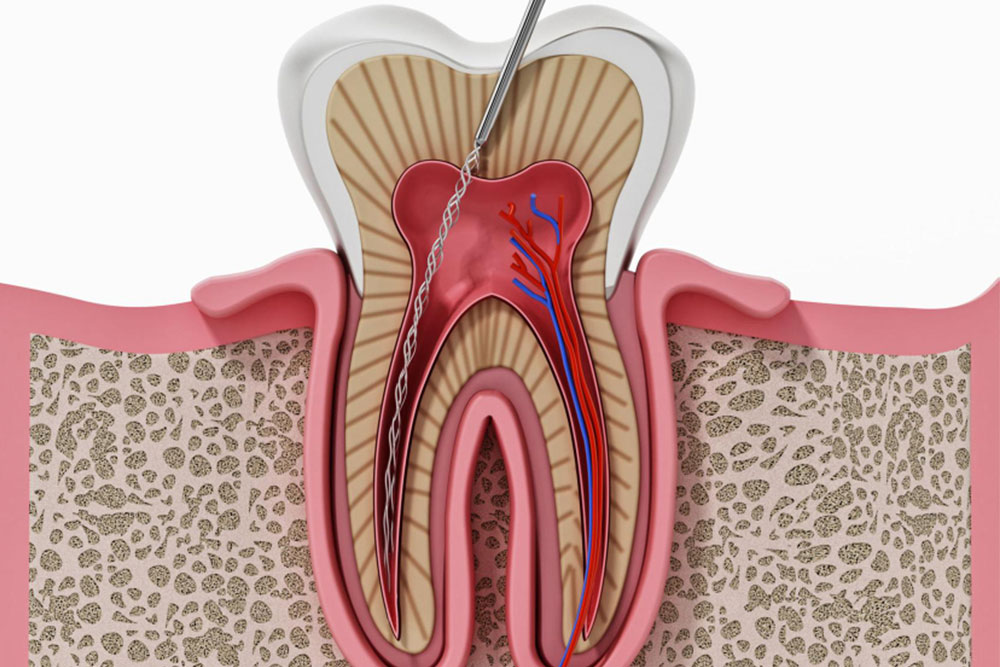
A treated tooth can remain functional for years, but its long-term strength depends on how it is restored afterward. How long does a root canal last without a crown? It’s a question many patients have in mind especially when considering cost or timing. After a root canal, the inner tissue is removed, which leaves the tooth more fragile than before.
Without added protection, it may not handle daily pressure as effectively. Understanding how long a tooth can last in this state, along with the risks involved, helps you make informed decisions about your dental care.
At The Grove Family Dental, patients seeking root canal treatment and restorative care in Glendale, AZ benefit from honest guidance, same-day emergency care, and comprehensive services designed to protect and strengthen your smile.
What Happens After a Root Canal?
A root canal removes infected or damaged pulp from inside the tooth. The space is cleaned, disinfected, and sealed with a filling material. This step stops pain and prevents further infection.
However, the treated tooth no longer has the same internal support. It becomes more prone to fractures or wear over time. That is why many dentists recommend placing a crown to restore strength and structure.
How Long Does a Root Canal Last Without a Crown?
The lifespan of a root canal without a crown can vary, but in many cases, it lasts between one and five years. Some teeth may last longer with proper care, but the risk of damage increases over time.
When a crown is placed, the lifespan often extends significantly, sometimes lasting 10 to 15 years or more. The crown acts as a protective cover, reducing stress on the weakened tooth.
Without this added protection, the tooth remains vulnerable to cracks, fractures, and reinfection.
Factors That Affect Longevity
● Location of the Tooth
Front teeth usually experience less pressure during chewing. These teeth may last longer without a crown. Molars, on the other hand, handle more force and are more likely to fracture without added support.
- Amount of Remaining Tooth Structure
Teeth with significant damage or decay before the root canal have less natural structure left. This makes them weaker and more prone to failure without a crown.
● Quality of the Filling
A well-sealed filling helps protect the tooth from bacteria. If the filling is not properly placed or wears down over time, it can allow bacteria to re-enter and cause infection.
- Oral Hygiene Habits
Daily brushing, flossing, and regular dental visits help maintain the health of a treated tooth. Poor hygiene can lead to complications that shorten its lifespan.
- Age and Tooth Condition
As people age, teeth can become more brittle. Older teeth may not handle stress as well, which can affect how long they last without reinforcement.
Risks of Skipping a Crown
● Increased Risk of Fracture
A root canal-treated tooth is more fragile. Without a crown, it may crack under pressure from normal chewing.
- Higher Chance of Reinfection
If the filling becomes compromised, bacteria can enter the tooth again. This may lead to another infection or the need for additional treatment.
- Reduced Functionality
Without a crown, patients may need to avoid certain foods. Hard or sticky foods can place stress on the tooth and increase the risk of damage.
- Aesthetic Concerns
Teeth that undergo root canal treatment can darken over time. A crown can improve the appearance by restoring a natural look.
When a Crown May Not Be Immediately Needed
In some cases, a dentist may recommend waiting before placing a crown. This is more common with front teeth or when the remaining structure is still strong.
However, even in these situations, regular monitoring is important. Dentists often suggest placing a crown later to protect the tooth as it continues to function.
How to Extend the Life of a Root Canal Without a Crown
● Practice Consistent Oral Hygiene
Brush twice daily and floss regularly to keep the tooth and surrounding gums healthy.
- Avoid Hard Foods
Limit foods that require heavy chewing, such as ice or hard candies. This reduces stress on the treated tooth.
- Address Issues Promptly
If you notice sensitivity, discomfort, or changes in the tooth, seek dental care as soon as possible. Early treatment can prevent further complications.
Crown vs. Filling: What to Consider
Choosing between a crown and a filling depends on several factors. Teeth with minimal damage may function with a filling for some time. However, heavily restored teeth often benefit from the added strength of a crown.
Molars and premolars usually require crowns due to the pressure they endure. Front teeth may have more flexibility in treatment options, depending on their condition.
Schedule Your Visit With A Family Dentist in Glendale
At The Grove Family Dental, we take a personalized approach in a friendly environment where you meet with our professional dentist at every visit. From root canals and extractions to cosmetic dentistry Glendale and dental implants Glendale AZ, we care for patients throughout Glendale and Peoria, AZ.
Contact us for emergencies or questions, complete your patient forms, or reach out online to schedule your appointment.
Leave a Reply