
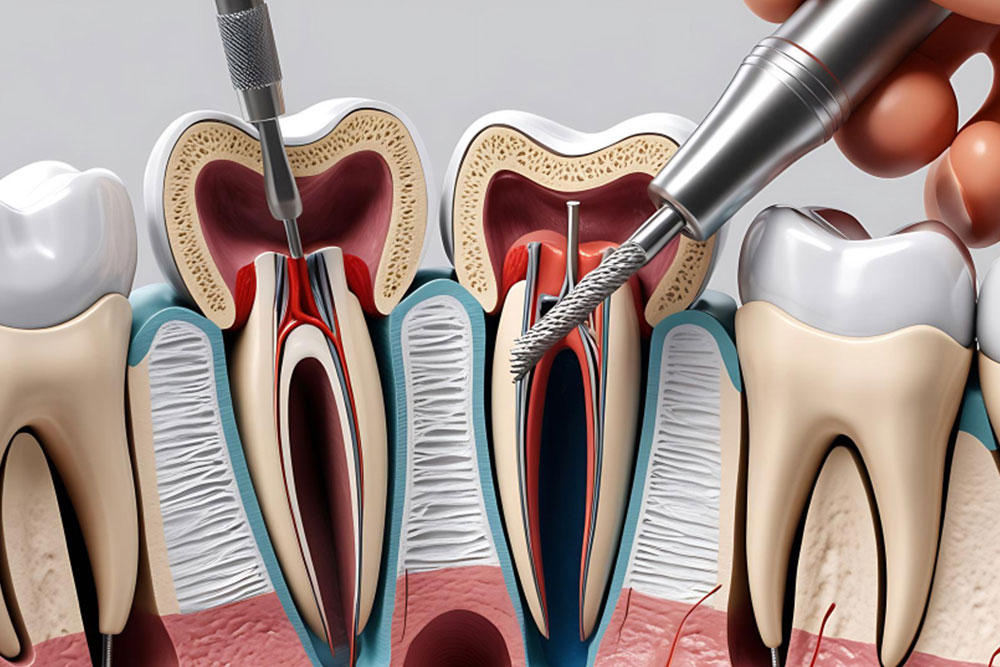
A root canal is a common dental treatment designed to save a tooth that has become infected or damaged. Many patients worry about the time commitment, discomfort, and steps involved in this procedure.
Understanding how long a root canal procedure takes can help reduce anxiety and allow patients to plan accordingly. With modern techniques and careful planning, this procedure can be completed efficiently, helping preserve the natural tooth while relieving pain.
Patients seeking root canal services can benefit from clear guidance on what to expect.
What Is a Root Canal?
A root canal, also known as endodontic treatment, targets the soft tissue inside a tooth called dental pulp. This tissue contains nerves, blood vessels, and connective tissues that nourish the tooth from its root to the crown. When the pulp becomes infected or inflamed due to deep decay, cracks, or repeated dental work, it can result in severe pain and, if left untreated, further oral health complications.
The root canal procedure removes the damaged tissue, cleans the tooth thoroughly, and seals it to prevent reinfection. Unlike tooth extraction, this treatment preserves the natural tooth and maintains proper function and appearance.
Who Performs a Root Canal?
Root canals can be completed by a general dentist, though some cases are referred to an endodontist. Endodontists receive specialized training in diagnosing tooth pain, managing infections, and performing advanced procedures that save natural teeth. Patients benefit from an experienced dental team that focuses on comfort, precision, and personalized care.
Step-by-Step Root Canal Procedure
Understanding the process can help patients feel more at ease. A typical root canal procedure generally follows these steps:
- Local Anesthesia: The dentist carefully applies numbing medication around the affected tooth, followed by a local anesthetic to block pain. This keeps the area fully numb, allowing the procedure to proceed comfortably and without distress.
- Accessing the Pulp: A small, precise opening is drilled into the top of the tooth. This access point allows the dentist to reach the infected or damaged pulp, giving a clear pathway to thoroughly clean the inner canals.
- Cleaning the Canal: The infected pulp and surrounding tissue are carefully removed. The dentist cleans and disinfects each canal to eliminate bacteria, preventing reinfection and preparing the tooth for a safe, long-lasting restoration.
- Filling and Sealing: Once the canals are fully cleaned, they are filled with a biocompatible material. This sealing step protects the tooth from bacteria entering again, preserving its structure, function, and overall oral health.
- Temporary or Permanent Restoration: A temporary filling is placed initially to protect the tooth. A follow-up visit may be scheduled for a permanent filling or crown, depending on the complexity and location of the tooth being treated.
Some teeth can be completed in a single appointment, while more complex cases may require two visits to ensure precision, comfort, and lasting results.
How Long Does a Root Canal Procedure Take?
The duration of a root canal varies depending on the tooth, number of canals, and complexity of infection. Understanding the approximate timing can help patients plan their visit and reduce anxiety about the procedure.
- Front Teeth (Incisors and Canines): These teeth usually have a single root and canal, making treatment faster and more straightforward. Most patients spend about 45 to 60 minutes in the dental chair. The simplicity of these teeth allows for efficient cleaning, filling, and sealing while minimizing discomfort.
- Premolars: Premolars are located between the front teeth and molars, often containing one or two canals. Treating these teeth generally requires 60 to 75 minutes. Cleaning, disinfecting, and filling multiple canals increases procedure time slightly, but the process remains manageable and usually can be completed in a single visit.
- Molars: Molars are large back teeth with three or four canals, making root canal treatment more complex. These teeth often require 90 minutes or more to clean, disinfect, and fill thoroughly. A follow-up appointment may be necessary for a permanent crown to protect the tooth and restore full chewing function.
- Single-Visit Considerations: In some cases, dentists can place a permanent crown immediately after the root canal. This is uncommon, as the tooth must first be evaluated for proper healing and absence of complications. Most treatments are completed in one or two visits depending on the tooth and infection severity.
Why Some Root Canals Require Two Visits
Certain teeth or infections require two appointments for careful treatment:
- First Visit: The dentist removes infected pulp, cleans the canal, and applies temporary antibacterial medication. Pain usually subsides after this visit.
- Second Visit: The tooth is further cleaned and permanently sealed. A crown may be placed to protect the tooth, particularly for molars used for chewing.
This approach allows the tooth to heal properly while minimizing discomfort and reducing the risk of reinfection.
Is a Root Canal Painful?
Root canals are performed under local anesthesia, so most patients experience little to no pain during the procedure. Some soreness or mild discomfort may persist for 24 to 48 hours afterward, which can often be managed with over-the-counter pain medication. The discomfort from the infection prior to treatment is typically far greater than any post-procedure soreness.
Aftercare and Recovery
Following a root canal, patients should maintain good oral hygiene by brushing twice daily and flossing once daily. Avoiding hard or sticky foods immediately after the procedure helps protect the tooth until the permanent restoration is placed. Rinsing with lukewarm saltwater can reduce irritation and keep the area clean. Routine checkups with your dentist help monitor healing and maintain overall oral health.
Why Root Canals Are Necessary
Teeth cannot repair themselves once the pulp becomes infected. Without treatment, the infection can spread to surrounding teeth or other areas of the mouth. A root canal preserves the natural tooth, avoiding extraction and the need for more complex restorations such as implants, bridges, or partial dentures. Early intervention saves time, money, and long-term oral health.
Book Your Appointment and Protect Your Smile Today
A root canal can be an important step in protecting your smile and maintaining oral health. At the end of the procedure, most patients experience relief from pain and enjoy restored function. At The Grove Family Dental, our team is ready to answer your questions, explain your treatment options, and make the process as comfortable as possible.
Contact us today to schedule an appointment or request emergency care.
Leave a Reply