
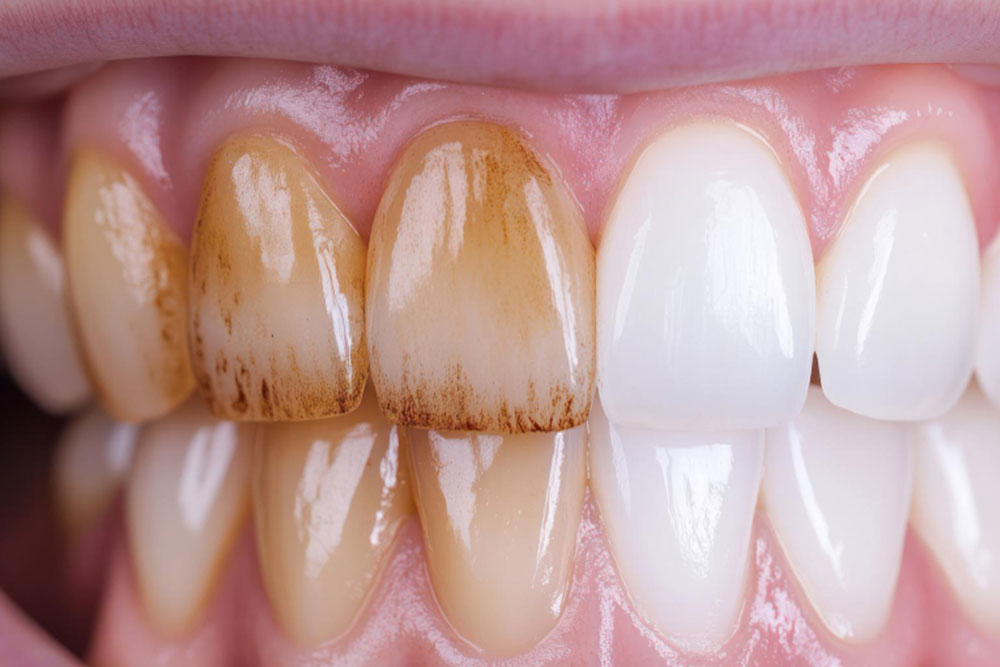
A bright, healthy smile can greatly influence personal confidence and overall appearance. Discoloration of teeth is a common concern for patients of all ages, and understanding the different types of teeth stains is the first step toward effective treatment. Stains can develop due to lifestyle choices, diet, genetics, medications, and aging.
Recognizing whether a stain is on the enamel or within the tooth structure helps determine the most appropriate professional treatment, from cleanings to whitening or cosmetic procedures offered through general dental services.
Understanding Tooth Stains
Tooth stains are broadly categorized as extrinsic or intrinsic. Extrinsic stains affect the enamel, the outer protective layer of the tooth, and are usually caused by external factors such as foods, beverages, and tobacco. Intrinsic stains occur beneath the enamel, within the dentin, and often result from medications, trauma, or developmental conditions. A third type, commonly referred to as age-related staining, develops as enamel naturally thins, allowing the dentin to show through more prominently, which can make teeth appear darker over time.
Identifying the type of tooth stain allows dental professionals to recommend safe and effective treatment options that address both superficial and deep discoloration.
Extrinsic Stains
Extrinsic stains are caused by substances that interact with the enamel surface. Common contributors include coffee, tea, red wine, berries, and tobacco. Over time, these pigments adhere to the tooth surface or become trapped in plaque and calculus deposits.
These stains can present in a variety of colors, including green, orange, yellow, brown, or black. Green and orange stains are often linked to poor oral hygiene or certain bacteria, while black stains may appear from iron in saliva or industrial exposure. Brown stains are frequently caused by tobacco or deeply pigmented foods and drinks, and yellow stains often indicate plaque accumulation.
Extrinsic stains can be effectively treated by professional dental cleaning and whitening procedures. A dentist can remove accumulated plaque and surface stains safely, restoring a brighter, cleaner appearance.
Intrinsic Stains
Intrinsic stains develop inside the tooth and are often more challenging to treat. Causes can include excessive fluoride during development (dental fluorosis), medications such as tetracycline taken during tooth formation, trauma, or certain genetic factors. Intrinsic discoloration may appear as yellow, gray, brown, or even white spots on the teeth.
Professional whitening and cosmetic treatments, such as bonding, veneers, or crowns, are usually the most effective options for intrinsic stains. Dentists can evaluate the depth of discoloration and recommend treatments that achieve lasting results while preserving tooth health.
Age-Related Stains
As individuals age, teeth naturally undergo changes in structure and color. The enamel gradually becomes thinner, exposing the dentin, which has a yellowish hue. This process results in teeth appearing darker or more yellow over time.
Age-related staining is compounded by lifestyle factors such as consumption of stain-causing foods and beverages and tobacco use. Treatments for these stains often mirror those for intrinsic discoloration, with professional whitening techniques and cosmetic procedures providing noticeable improvements.
Professional Treatments for Tooth Stains
Proper care and guidance from a dentist can significantly improve the appearance of stained teeth.
● In-Office Whitening
Professional whitening treatments are highly effective for both extrinsic and intrinsic stains. Dentists use carefully formulated bleaching agents, sometimes enhanced with light or laser technology, to lighten tooth discoloration safely and efficiently. In-office whitening produces immediate, uniform results while minimizing risks to enamel and gums.
● Cosmetic Dentistry Options
For intrinsic or deep stains, cosmetic procedures may be recommended. Dental veneers, bonding, or crowns can address discoloration while improving overall tooth structure and appearance. These treatments are customized to each patient’s needs, ensuring natural-looking, long-lasting results.
● Routine Cleanings and Maintenance
Regular dental cleanings remove plaque, calculus, and superficial stains before they penetrate the tooth. Consistent maintenance visits allow dentists to monitor tooth health and recommend timely whitening or cosmetic procedures when necessary, helping to maintain a bright and healthy smile over time.
Addressing Brown and Severe Stains
Brown stains often result from long-term exposure to tobacco, coffee, tea, or other pigment-heavy foods. Plaque accumulation or tooth decay can also contribute to discoloration.
Dentists address these stains using professional cleaning, whitening treatments, and restorative procedures. Any underlying decay must be treated first to ensure the health of the tooth before cosmetic whitening. This professional approach guarantees safety, prevents further damage, and provides the most effective results.
Thorough Evaluation for Stain Removal
A detailed dental evaluation is the foundation for effectively treating teeth discoloration. Dental professionals assess the type of teeth stains, underlying causes, and overall oral health to determine the safest, most effective solution. Key aspects of the evaluation include:
- Type of Stain: Determining whether the discoloration is extrinsic (surface stains), intrinsic (within the tooth), or age-related helps guide treatment decisions.
- Patient History: Reviewing past dental treatments, enamel condition, and sensitivity ensures that recommended procedures are safe and tailored to individual needs.
- Lifestyle and Diet: Foods, beverages, and habits such as coffee, tea, red wine, and tobacco use are evaluated for their role in staining.
- Medications and Health Factors: Certain medications, trauma to teeth, or developmental factors can lead to intrinsic stains, which require professional intervention.
- Age-Related Changes: Thinning enamel over time may expose darker dentin, contributing to discoloration that is addressed differently than surface stains.
Based on this assessment, dentists can recommend appropriate treatments, including:
- Professional whitening procedures
- Advanced cleanings to remove surface stains
- Cosmetic restorations such as veneers or bonding
Routine dental exams also allow early identification of discoloration and other oral health concerns, preventing minor stains from developing into deeper, harder-to-treat problems.
Maintaining a Healthy, Bright Smile
Consistent dental care is key to long-term results. Brushing and flossing regularly, attending routine professional cleanings, and avoiding tobacco products are all critical steps. Diet management and monitoring consumption of stain-causing beverages also help maintain whiteness after professional treatments.
Maintaining a professional dental care schedule through dental care ensures teeth remain healthy, strong, and visually bright over time.
Get a Brighter, Confident Smile
If you notice staining or discoloration, it is important to consult a qualified dental professional. Identifying the type of teeth stains allows for targeted, safe treatment and lasting improvements.
At The Grove Family Dental, we provide personalized care for all types of teeth stains. Our team combines professional whitening, restorative procedures, and routine cleanings to help you achieve a vibrant, confident smile while protecting tooth health.
Contact us today to book your appointment and take the first step toward a brighter, healthier smile.
Leave a Reply