
Modern dentistry has transformed the way missing teeth are replaced, offering solutions that look natural and function with stability. If you are researching how to get dental implants, understanding the full process helps you prepare both physically and mentally. Dental implants involve more than a single visit; they require planning, evaluation, and proper aftercare.
From initial consultation to final placement, each stage plays a role in long-term success. With the right approach and consistent care, implants can restore confidence, improve oral function, and support overall dental health for years.
At The Grove Family Dental, patients seeking dental implants in Glendale, AZ receive personalized, start-to-finish care in a welcoming environment focused on long-term results.
Understanding Dental Implants
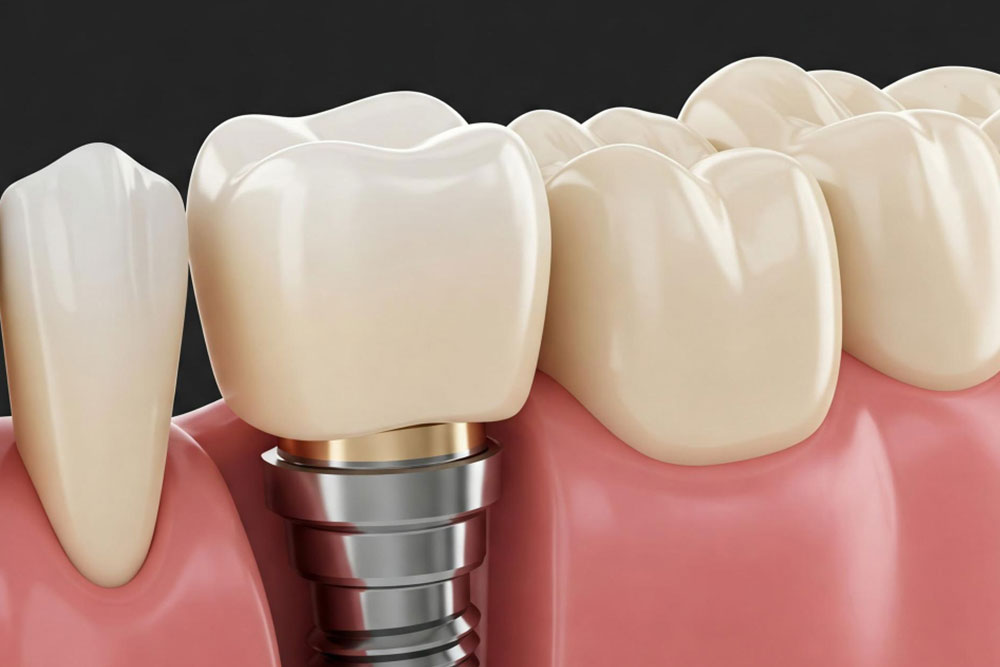
Dental implants act as artificial tooth roots placed into the jawbone to support replacement teeth such as crowns, bridges, or dentures. These implants are usually made from titanium, a material that bonds with bone over time. This bonding process creates a stable foundation that closely mimics natural teeth.
Unlike traditional options, implants do not rely on adjacent teeth for support. This makes them a preferred solution for individuals who want durability, improved appearance, and better oral function. As part of general dental services, implants often complement other treatments such as crowns or bridges to restore a complete smile.
Who Can Get Dental Implants?
Not everyone qualifies immediately for dental implants, but many people can become eligible with proper care and preparation. A dentist evaluates several factors before recommending treatment:
- Healthy gums free from infection
- Adequate jawbone density
- Good overall oral hygiene habits
- Absence of uncontrolled medical conditions
Patients with gum disease or bone loss may require additional treatments before implant placement. Conditions such as smoking or unmanaged diabetes can affect healing and may need to be addressed first. A detailed evaluation helps determine the most suitable approach.
How to Get Dental Implants: Step-by-Step Process
● Initial Consultation and Examination
The process begins with a thorough dental assessment. This includes low-radiation X-rays, scans, and a review of medical history. The dentist examines bone structure, gum health, and the condition of surrounding teeth.
A customized treatment plan is then created. This plan outlines the number of implants required, the timeline, and any preparatory procedures.
- Preparatory Procedures (If Needed)
Some patients require additional procedures before implant placement. These may include:
- Tooth extraction for damaged teeth
- Bone grafting to strengthen the jaw
- Treatment for gum disease
Bone grafting helps create a stable base for the implant. Healing from this step may take several months, depending on the extent of the procedure.
● Implant Placement Surgery
During this stage, the dentist places a titanium post into the jawbone. This post acts as the root of the new tooth. The procedure is typically done under local anesthesia, and discomfort is manageable.
After placement, the healing phase begins. The bone gradually bonds with the implant in a process known as osseointegration. This stage is vital for long-term stability.
- Abutment Placement
Once the implant integrates with the bone, a small connector called an abutment is attached. This piece connects the implant to the final restoration.
The gums are allowed to heal around the abutment before the next step.
- Placement of the Final Restoration
The final stage involves attaching a custom-made crown, bridge, or denture. These restorations are designed to match the color and shape of natural teeth.
At this point, the implant looks and functions like a natural tooth, allowing normal eating and speaking.
How to Ensure Proper Healing After Dental Implants
● Maintain Excellent Oral Hygiene
Good oral hygiene supports healing and long-term success. Brush twice daily, floss regularly, and keep the implant area clean. Specialized brushes may help reach difficult areas.
- Follow Post-Procedure Instructions
After surgery, the dentist will share detailed care instructions. These may include dietary guidelines, medication use, and cleaning techniques. Soft foods are often recommended during the initial recovery phase.
- Attend Follow-Up Visits
Regular dental visits allow the dentist to monitor healing and detect any concerns early. These appointments are part of routine general dental services and play a role in maintaining implant health.
- Avoid Harmful Habits
Smoking and excessive alcohol consumption can slow healing and increase the risk of complications. Limiting these habits improves the chances of successful integration.
- Watch for Warning Signs
While most implant procedures heal without issues, it is important to stay alert for signs such as persistent pain, swelling, or unusual discomfort. Early attention can prevent further complications.
Benefits of Dental Implants
Dental implants offer several advantages compared to traditional tooth replacement options:
- Natural appearance and feel
- Improved chewing ability
- Long-lasting durability
- Preservation of jawbone structure
- No impact on surrounding teeth
These benefits make implants a reliable option for individuals seeking a permanent solution to tooth loss.
Common Concerns About Dental Implants
Is the Procedure Painful?
Most patients report minimal discomfort during the procedure due to anesthesia. Mild soreness after surgery is normal and manageable with medication.
How Long Does the Process Take?
The complete process can take several months, especially if bone grafting is required. Healing time varies from person to person.
Are Dental Implants Expensive?
Implants can involve a higher initial cost compared to other options. However, their durability and long-term benefits often make them a valuable investment.
Long-Term Care for Dental Implants
Caring for dental implants is similar to caring for natural teeth. Regular brushing, flossing, and dental check-ups help maintain their condition.
Professional cleanings and routine examinations are part of ongoing general dental services. These visits help keep both the implant and surrounding tissues healthy.
When to Consider Dental Implants
Dental implants may be a suitable option if you:
- Have one or more missing teeth
- Struggle with loose dentures
- Want a stable and natural-looking replacement
- Seek a long-term solution for tooth loss
A consultation with a dental professional helps determine the best course of action based on your needs.
Schedule Your Visit With a Trusted Family Dentist in Glendale
At The Grove Family Dental, we focus on honest care in a welcoming setting where patients see the same dentist each visit. From dental implants Glendale AZ to routine care and emergency dentist Glendale services, our team supports your oral health at every stage. We also welcome patients from Peoria, AZ.
Call us today or fill out our contact form to schedule an appointment or get help when you need it most.
Leave a Reply