
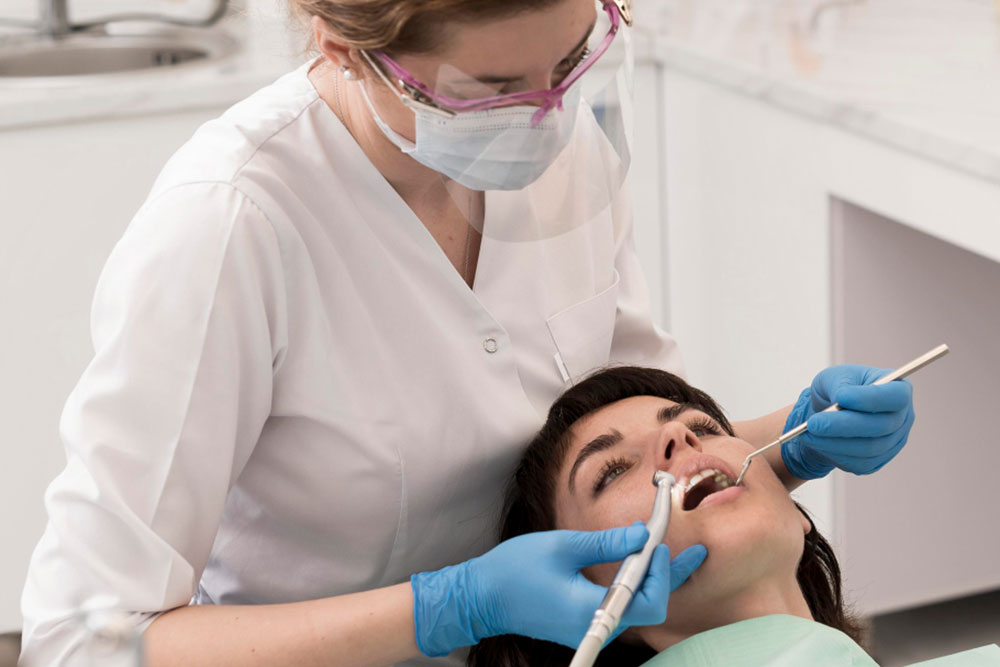
Maintaining a healthy smile requires more than brushing and flossing at home. Even the most consistent oral hygiene routine cannot remove hardened plaque or detect early signs of gum disease the way a professional examination can. Regular cleanings help protect teeth from decay, reduce inflammation in the gums, and identify concerns before they become more complex.
Understanding how often you should have your teeth cleaned allows you to make informed decisions about preventive care and maintain strong, healthy teeth for years to come.
For patients exploring general dental services, professional cleanings are one of the most important preventive treatments available.
The Standard Recommendation: Every Six Months
For many individuals, visiting the dentist every six months for a professional cleaning is a common guideline. This schedule allows dental professionals to remove plaque and tartar buildup before it contributes to cavities or gum disease. It also provides the opportunity to evaluate changes in oral health that may not be visible or painful in the early stages.
Although the six-month interval is widely recommended, some experts acknowledge that it is not a universal rule. Research suggests that dental outcomes may not significantly differ for everyone who follows a strict twice-yearly schedule. Instead, the ideal frequency often depends on personal risk factors, lifestyle habits, and existing oral conditions.
A consistent six-month visit works well for many patients because it balances prevention with practicality. However, your dentist may adjust that recommendation after reviewing your specific oral health needs.
Factors That Influence Cleaning Frequency
The answer to how often should you have your teeth cleaned is not identical for everyone. Several factors influence how frequently professional care is recommended.
Patients who have diabetes, smoke tobacco, or have a family history of gum disease may be at higher risk for periodontal concerns. In such cases, cleanings every three to four months may be advised to control bacteria levels and reduce inflammation.
On the other hand, individuals with excellent oral hygiene habits and minimal history of cavities or gum disease may be able to extend visits to every nine or even twelve months. Financial considerations, access to dental insurance, and overall health can also influence how often someone seeks professional care.
A conversation with your dentist allows for a personalized plan based on your oral condition, medical background, and long-term goals. Preventive strategies are most effective when they reflect your individual circumstances.
What Happens During a Professional Cleaning
Understanding the cleaning process can ease uncertainty and highlight its value. A professional dental cleaning typically takes less than an hour and includes several steps.
First, a dental hygienist examines your mouth and notes any visible concerns. The cleaning phase, known as scaling, involves removing plaque and tartar from the tooth surfaces and along the gumline using specialized tools. Hardened deposits cannot be eliminated through brushing alone, making this step particularly important.
Next, your teeth are polished with a rotating instrument and dental paste. This smooths the enamel and removes surface stains. Some appointments also include a fluoride treatment, which helps strengthen enamel and reduce the likelihood of cavities.
In addition to cleaning, your visit often includes a thorough exam to assess overall oral health. Regular dental care appointments create opportunities to identify issues early, when treatment is typically simpler and more conservative.
Is it Harmful to Have Cleanings Too Often?
Patients sometimes wonder if more frequent cleanings could damage enamel or increase sensitivity. Current evidence does not suggest significant harm when cleanings are performed appropriately by trained professionals.
However, scheduling visits more often than necessary may not deliver additional measurable benefits for low-risk individuals. Repeated polishing could contribute to mild temporary sensitivity, though this is generally short-lived.
Another consideration is cost. Many dental insurance plans cover one or two cleanings per year. Additional visits may require out-of-pocket payment.
Ultimately, the decision should be guided by your dentist’s evaluation rather than a general assumption that more frequent care automatically leads to better outcomes.
How Long Can You Go Without a Cleaning?
It is recommended to see a dentist at least once per year for an examination. Professional cleanings are typically included in that visit. Skipping cleanings for extended periods allows plaque to harden into tartar, which increases the risk of gum inflammation and tooth decay.
Even if your teeth feel smooth and appear clean, early gum disease often develops without noticeable symptoms. Bleeding, recession, and bone loss may progress quietly before discomfort appears.
Practicing thorough oral hygiene at home, including brushing twice daily and flossing once daily, helps reduce buildup between visits. However, home care cannot replace professional removal of hardened deposits.
Reserve Your Dental Cleaning Appointment Now
At The Grove Family Dental, we believe preventive care builds the foundation for long-term oral health. As a family-owned practice, we focus on honest recommendations and personalized attention without a corporate atmosphere. If you are wondering how often should you have your teeth cleaned, we are happy to guide you based on your unique needs.
Schedule your visit and let us help you maintain a healthy, confident smile.
Leave a Reply