
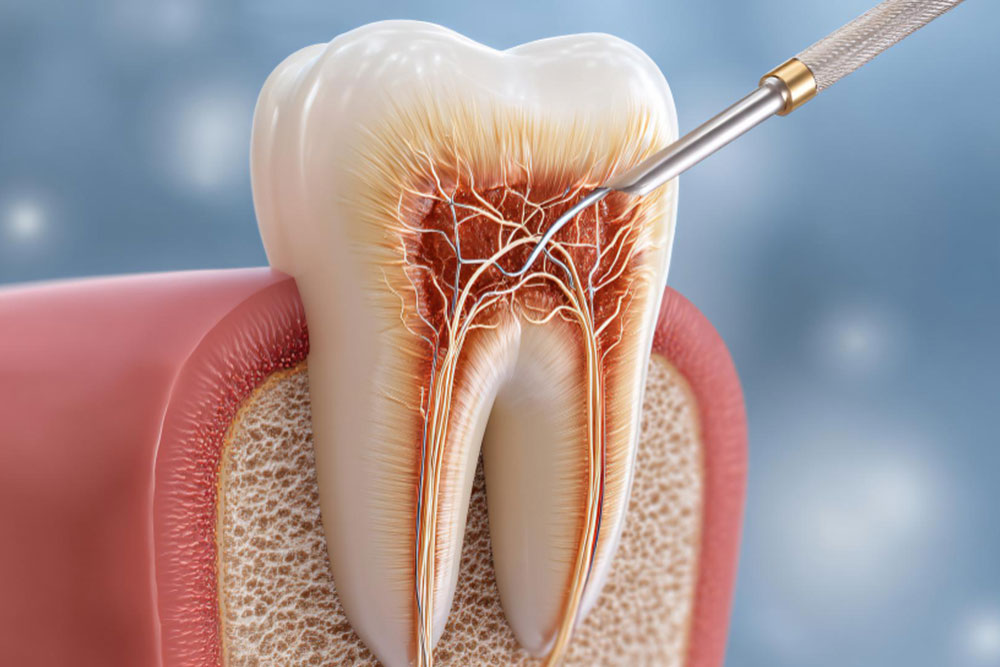
A deep toothache often signals more than surface damage. When bacteria reach the inner tissue of a tooth, pain, pressure, and swelling may follow. Many patients ask, “How does root canal work?” especially when they want pain relief without losing the tooth. This procedure focuses on treating infection inside the tooth rather than extracting it.
Dentists use advanced tools and anesthesia to clean, seal, and restore the tooth so it continues to function normally. Understanding each stage helps patients feel prepared, informed, and confident before treatment begins.
What Happens Inside a Tooth During Infection
Each tooth contains multiple layers. The outer enamel shields the tooth, while dentin sits beneath it. At the center lies the pulp, a soft tissue that holds nerves, blood vessels, and connective fibers. Infection begins when decay, cracks, or repeated dental work allow bacteria to reach this pulp.
Once bacteria enter the pulp, inflammation develops. Pressure builds because the tissue cannot expand within the rigid tooth structure. This pressure causes pain, sensitivity to heat or cold, and discomfort while chewing. If left untreated, infection can spread to surrounding bone and gums, forming an abscess.
Why Dentists Recommend Root Canal Treatment (RCT)
Dentists aim to preserve natural teeth whenever possible. A natural tooth maintains bite alignment, chewing strength, and jaw stability. RCT allows patients to keep their original tooth while eliminating infection.
Compared to extraction, this treatment avoids gaps that may cause nearby teeth to shift. It also reduces the need for future replacements like bridges or implants. Modern techniques allow dentists to complete the procedure with precision and comfort, making it a common choice within general dentistry care plans.
How Does Root Canal Work Step by Step
Patients often want a clear explanation of each phase. Understanding the process removes uncertainty and fear.
● Examination and Imaging
The dentist begins with an exam and dental X-rays. These images show the extent of infection and the shape of the root canals. The dentist also checks sensitivity and bite response to confirm the diagnosis.
● Numbing the Area
Local anesthesia numbs the tooth and surrounding tissue. This step blocks pain signals during treatment. Most patients remain comfortable throughout the procedure.
● Isolation of the Tooth
The dentist places a dental dam over the tooth. This thin sheet keeps saliva away and maintains a clean working area. Isolation also protects the rest of the mouth.
● Accessing the Pulp
The dentist creates a small opening in the crown of the tooth. This opening allows access to the infected pulp chamber and root canals.
● Removing Infected Tissue
Using fine instruments, the dentist removes the damaged pulp. The dentist then cleans and shapes the canals to remove bacteria and debris.
● Disinfection and Filling
After cleaning, the dentist disinfects the canals. The empty space is filled with a biocompatible material called gutta-percha. This material seals the canals and prevents reinfection.
● Temporary or Permanent Seal
The dentist closes the opening with a temporary filling. At a later visit, a permanent crown or restoration protects the tooth and restores full function.
Does a Root Canal Cause Pain?
Many patients expect severe discomfort, but modern dentistry has changed that experience. Anesthesia blocks pain during treatment. Most people describe the sensation as similar to receiving a standard filling.
After treatment, mild soreness may occur for a few days. Over-the-counter pain relievers usually manage this discomfort well. Swelling and heavy bleeding rarely occur. Patients can resume normal activities soon after the procedure. People often report less discomfort after a root canal compared to living with untreated infection.
Signs That Indicate RCT
Not every toothache signals the need for this procedure, but several symptoms raise concern:
- Persistent pain during chewing or biting
- Sensitivity to hot or cold that lingers
- Swollen or tender gums
- A pimple-like bump on the gums
- Tooth discoloration or darkening
- Pain that spreads to the jaw or face
Recovery After Root Canal Therapy
Recovery remains straightforward for most patients. Sensitivity may persist briefly, especially if infection existed before treatment. Dentists may advise patients to avoid chewing on the treated tooth until the final restoration is placed.
Good oral hygiene helps the tooth heal. Brushing, flossing, and regular dental visits maintain long-term results. Once restored, the treated tooth functions like any other tooth.
Root canal success rates remain high, with many treated teeth lasting decades.
Root Canal Versus Tooth Extraction
Patients sometimes compare root canal therapy with extraction. Each option removes infection, but outcomes differ significantly.
A root canal removes infection while preserving the tooth. An extraction removes the tooth entirely, leaving an empty space. That space often requires replacement to avoid bite problems and shifting teeth.
While extraction may seem simpler at first, replacement options like implants or bridges involve additional procedures, healing time, and expense.
Cost Considerations for Root Canal Treatment
The cost of a root canal depends on the tooth location and complexity. Molars often cost more because they have multiple canals. Insurance plans frequently cover part of the treatment.
Although the upfront cost may appear higher than extraction, replacement treatments after extraction increase overall expense. RCT combined with a crown often costs less over time.
Dentists discuss costs and treatment options during consultation to help patients plan confidently.
How Does Root Canal Work to Protect Jaw Health
Natural teeth stimulate the jawbone during chewing. When a tooth is lost, bone loss may follow over time. Root canal therapy keeps the tooth in place, maintaining natural stimulation.
Preserving teeth also helps maintain facial structure and bite alignment. These benefits extend beyond pain relief, contributing to long-term oral health.
Root Canal Treatment and Overall Dental Health
A treated tooth no longer contains living pulp, but it remains functional. Surrounding tissues nourish the tooth, allowing it to stay in place without issue.
Regular dental visits allow dentists to monitor the treated tooth and surrounding area. Preventive care reduces the chance of future infection in other teeth.
Patients who understand how a root canal works often feel more confident about choosing timely care rather than delaying treatment.
When to Seek Professional Dental Care
Pain, swelling, or sensitivity should never be ignored. Early treatment limits complications and shortens recovery time. Dentists evaluate symptoms and recommend appropriate care based on clinical findings.
Access to consistent dental care in Glendale helps patients address concerns before they worsen.
Key Facts Patients Often Ask About RCT
Patients often arrive with practical questions before treatment begins. Clear answers help set realistic expectations and reduce uncertainty.
Root canal therapy focuses on removing infection, not creating discomfort. Dentists use local anesthesia so patients remain comfortable during the procedure. Most people compare the experience to a routine filling.
Treatment length depends on the tooth and infection severity. Many treatments finish in one visit, while complex cases may need a follow-up appointment.
Preserving the natural tooth allows normal chewing, bite balance, and jaw stability. Removing a tooth often leads to additional procedures and longer recovery.
Clear communication and timely care help patients move forward with confidence and clarity.
Long-Term Outlook After Root Canal Therapy
Most root canal treatments succeed long term. A properly restored tooth can last a lifetime with good oral care. Dentists recommend crowns for back teeth due to chewing forces.
Routine checkups detect any changes early. Patients who maintain oral hygiene protect both treated and untreated teeth.
Take the Next Step With The Grove Family Dental
At The Grove Family Dental, we guide patients through each phase of RCT with clear explanations and thoughtful care. Our family-owned practice focuses on comfort, continuity, and same-day attention for urgent needs.
If tooth pain raises questions, contact us today to discuss treatment options and plan care that protects your long-term oral health.
Leave a Reply