
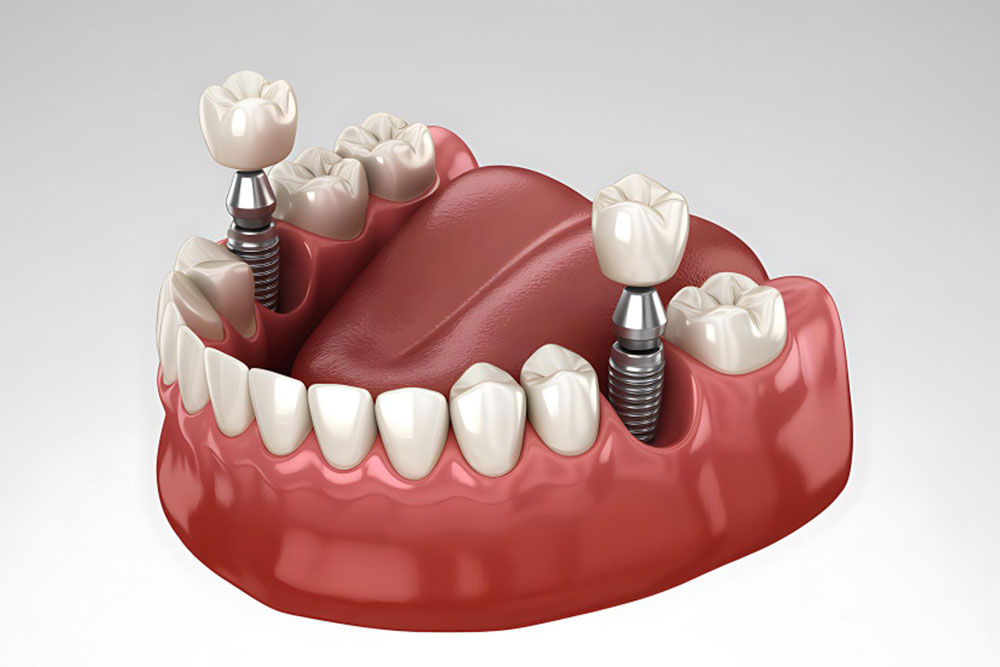
Dental implants are more than just a solution for missing teeth; they represent a long-term investment in your oral health and overall quality of life. Unlike traditional dentures or bridges, implants replace both the tooth root and crown, preserving the jawbone and preventing bone loss.
Understanding the benefits of dental implant treatment can help patients make informed decisions about restoring their smiles. From improving chewing function and speech to maintaining facial structure, dental implants offer numerous advantages that contribute to both oral health and self-confidence.
For those considering restorative options, dental implants can be transformative, combining durability, aesthetics, and functionality in a way few alternatives can match.
Natural-Looking Appearance
Dental implants are designed to closely mimic the look and feel of natural teeth. The implant integrates with the jawbone, creating a stable foundation that eliminates the gaps caused by missing teeth. Once restored with a crown, bridge, or denture, the implant blends naturally with surrounding teeth, maintaining symmetry and a beautiful smile.
This appearance not only restores aesthetics but also allows patients to feel confident when speaking or smiling in public. Unlike traditional dentures, implants do not require adhesives or visible clasps, enhancing their lifelike quality.
Properly cared for, implants maintain their shape and color over time, providing a permanent solution that preserves the harmony of the mouth.
Improved Chewing Ability
Missing teeth or ill-fitting dentures can compromise chewing function, forcing individuals to limit their diet. Dental implants restore the ability to bite and chew with full strength, comparable to natural teeth.
This allows patients to enjoy a wider variety of foods without concern for slipping or discomfort. The stability of implants eliminates the need to modify eating habits and prevents uneven pressure on other teeth. Additionally, restored chewing function contributes to better digestion and overall nutrition.
Implant-supported prosthetics distribute biting forces evenly across the jaw, reducing stress on adjacent teeth. Over time, this promotes healthier oral structures and helps maintain proper alignment, further enhancing the patient’s quality of life.
Long-Term Durability
Dental implants are designed for longevity, often lasting a lifetime with proper care. Unlike bridges or removable dentures, which may require replacement every five to ten years, implants integrate with the jawbone to form a permanent structure.
This durability reduces the need for frequent dental work, saving patients time and potential discomfort over the years. The materials used in implants, such as titanium or ceramic, are biocompatible and resistant to decay, ensuring that the restoration remains stable and functional.
Overall, implants offer a durable, reliable solution that combines functionality, aesthetics, and structural stability, making them one of the most cost-effective options in long-term dental care.
Preservation of Jawbone Health
When a tooth is lost, the underlying jawbone begins to deteriorate due to lack of stimulation. Dental implants act as artificial roots, stimulating the jawbone during normal chewing and preventing bone loss.
This preserves the structural integrity of the face, preventing sagging or premature aging that can occur with missing teeth. Maintaining bone density also helps keep neighboring teeth stable and reduces the risk of shifting or misalignment. For patients with multiple missing teeth, implants prevent further deterioration that might complicate future restorative treatments.
Stability for Adjacent Teeth
Missing teeth can cause neighboring teeth to drift toward the gap, leading to misalignment, bite issues, and potential TMJ discomfort. Dental implants prevent this movement by filling the gap and holding adjacent teeth in their proper positions.
This stability preserves the overall alignment of the mouth, reducing the need for orthodontic intervention later. Properly aligned teeth are easier to clean and less prone to decay or gum disease, further enhancing oral health.
Improved Speech and Pronunciation
Gaps caused by missing teeth or loose dentures can affect speech clarity, resulting in slurred or altered pronunciation. Dental implants restore full function, allowing patients to speak confidently without worrying about movement or shifting of teeth.
Unlike removable dentures, implants do not slip or click during talking, providing natural articulation. This improvement benefits both professional and social interactions, as patients regain self-assurance in conversation. Properly positioned implants also maintain the shape of the oral cavity, supporting the tongue and lips in producing clear sounds.
Prevention of Facial Sagging
Loss of teeth can lead to sunken cheeks and premature facial aging, as the jawbone deteriorates and loses support. Dental implants prevent this collapse by stimulating the underlying bone, preserving natural facial contours.
This stimulation maintains the lower third of the face, preventing excessive wrinkles, thinning lips, and a pointed chin that can occur with prolonged tooth loss. Maintaining facial structure has both cosmetic and psychological benefits, allowing patients to maintain a more youthful and energetic appearance.
Protection of Remaining Teeth
Unlike bridges, which require alteration of neighboring teeth for support, dental implants do not compromise adjacent natural teeth. This preserves enamel and prevents unnecessary wear or weakening of surrounding structures.
By leaving healthy teeth intact, implants maintain the overall strength and integrity of the mouth. This also reduces the risk of decay or sensitivity in previously untouched teeth, ensuring long-term oral health. Implant placement is focused solely on the missing tooth site, creating a targeted solution without collateral damage.
Reduced Risk of Gum Disease
Gaps in the mouth can harbor food particles and bacteria, increasing the risk of gum disease and infections. Dental implants close these spaces, making oral hygiene routines more effective and reducing the likelihood of periodontal issues.
Since implants are easy to brush and floss like natural teeth, patients can maintain healthy gums with standard care. Stable implants prevent bacteria from accumulating in spaces that would otherwise be difficult to clean.
High Patient Satisfaction and Confidence
Dental implants provide both functional and aesthetic benefits that contribute to overall patient satisfaction. Patients often report increased confidence in smiling, speaking, and eating without fear of embarrassment.
The natural appearance and stability of implants allow individuals to participate in social and professional settings without concern. Long-lasting results and reduced dental complications further enhance satisfaction.
For those who have struggled with missing teeth, implants offer transformative outcomes that restore quality of life. This combination of appearance, function, and durability creates a sense of security and happiness that few other dental solutions can match.
Reserve Your Appointment for Dental Implants Now
Dental implants offer unmatched benefits for restoring oral health, aesthetics, and function. If you are considering tooth replacement, our team at The Grove Family Dental is ready to guide you through a personalized treatment plan.
Contact us today to schedule a consultation and discover how dental implants can improve your smile and quality of life.
Leave a Reply