(623) 872‑6080
 Book Appointment

Root Canal Treatment in Glendale, AZ
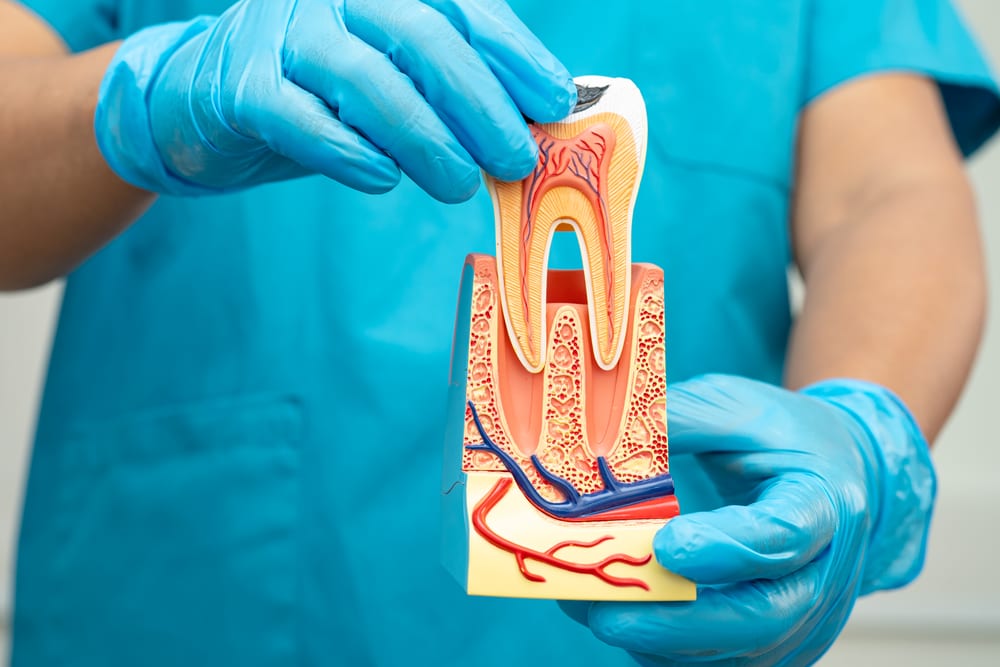
Understanding Non-Surgical Root Canals
The pulp is the soft tissue inside a tooth that contains nerves and blood vessels. When bacteria reach the pulp through decay, cracks, or damage, inflammation or infection can develop. The body cannot reliably clear an established infection inside the tooth on its own. A non-surgical root canal reaches this tissue through an opening in the crown of the tooth rather than through the gum.
During the procedure, your dentist uses local anesthetic to numb the area. A rubber dam isolates the tooth, and a small access opening allows the dentist to reach the root canal system. The canals are cleaned, shaped, and disinfected to remove affected tissue and bacteria. With effective anesthesia, patients generally feel pressure or vibration rather than sharp pain.
After cleaning, the canals are filled with a rubber-like material and sealed to reduce the chance of bacteria entering again. The access opening is closed with a temporary or permanent filling, depending on the next stage of treatment. The tooth may then need a stronger restoration to protect its remaining structure.
Treatment generally follows these stages:
Professional cleaning
Full dental exam
Digital X-rays if needed
Gum health evaluation
Oral cancer screening
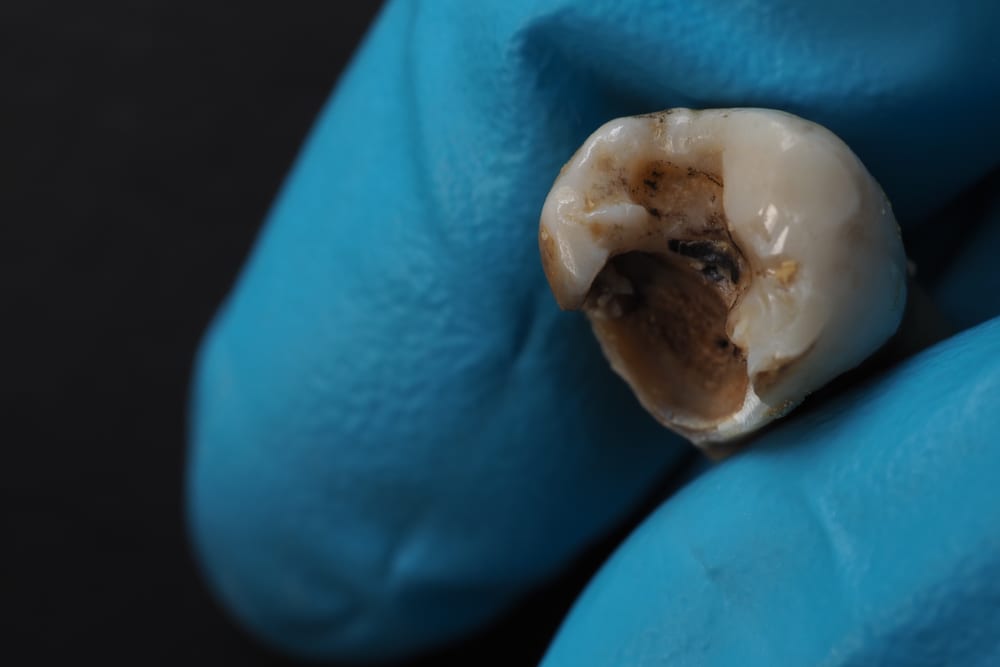
When You May Need Root Canal Treatment
Several symptoms can suggest that the pulp inside a tooth is inflamed or infected. These include sensitivity to hot drinks that lingers after the heat is removed, throbbing pain that wakes you at night, tenderness when biting, a pimple-like bump on the gum, or one tooth becoming darker. Sometimes pain fades after the nerve dies, but this does not mean the infection has cleared.
Contact your dentist if you notice:
- Lingering sensitivity to heat
- Pain when chewing on one tooth
- Swelling in the gum or face
- A tooth that has darkened
- A recurring bump on the gum
- Pain that returns after a filling
An untreated pulp infection can spread through the root tip into surrounding bone and tissue. As the condition progresses, swelling and an abscess may develop, and the tooth may become impossible to save. Early assessment can help preserve the natural tooth and may reduce the need for extraction and later replacement.
Patients who want to keep a natural tooth may be candidates for endodontic therapy when the tooth can be restored. Your dentist will assess the damage, surrounding bone, gum health, and overall condition before recommending treatment.
What to Expect During Treatment
Our front-desk team can help with appointment scheduling, paperwork, and insurance questions. Before treatment begins, your dentist allows the local anesthetic time to take full effect. You can signal if you need a pause during the appointment. The dentist will explain the procedure and address questions before starting, helping you understand what to expect.
A treated back tooth often needs a crown because removing the pulp and creating an access opening can leave it more vulnerable to fracture during chewing. Our office handles dental crowns as part of the restoration process. Front teeth may need only a filling, depending on how much healthy structure remains.
A properly sealed and restored tooth can last many years with routine brushing, flossing, and regular dental checkups. Your dentist will explain any restrictions during healing and when to return for the final restoration.
During Your Visit, We May:
At a root canal appointment, we may:
- Test how the tooth responds
- Review X-rays with you
- Numb the tooth fully
- Clean and shape the canal
- Seal the canal and close the opening
- Plan the permanent restoration


Why Choose The Grove Family Dental?
The Grove Family Dental is a family-owned practice serving patients in Glendale, AZ. We focus on honest recommendations about whether a tooth can be saved and aim to maintain continuity with the same dentist from diagnosis through treatment and final restoration. Our approach prioritizes your oral health and individual needs rather than unnecessary procedures.
Patients can expect:
- Family-focused dental care
- Honest treatment recommendations
- Restorative and cosmetic services in one office
- Same-day emergency care when possible
- Friday and Saturday appointments by request
- Assistance with insurance claims
Root canal treatment can feel intimidating, especially when you are already dealing with tooth pain. Our welcoming office focuses on personal attention and clear explanations rather than a corporate feel. We discuss your options, explain the purpose of each stage, and help you understand the recommended next steps so you can make informed decisions about your dental care.
Frequently Asked Questions
Is a non-surgical root canal painful?
The procedure is intended to remove the source of pain. Local anesthetic numbs the tooth, and many patients describe the appointment as comparable to receiving a filling.
How many visits does root canal treatment take?
Some cases are completed in one visit, while others require two or more. The number of canals, infection severity, and healing needs affect the schedule.
Why does my tooth need a crown afterwards?
A back tooth can become more vulnerable to fracture after root canal treatment because less healthy structure may remain to withstand chewing forces.
What happens if I put off treating an infected tooth?
The infection may spread into surrounding bone and cause swelling or an abscess. If damage becomes too advanced, extraction may be the only option.
Can a tooth get infected again after a root canal?
Yes, although it is uncommon. A failed seal or new decay can allow bacteria to enter again. Routine checkups help identify problems early.
Have questions about root canal treatment Glendale, AZ? Contact us to discuss your symptoms and arrange an appointment with our team.

Get in Touch About Root Canal Treatment
If you have any questions about root canal treatment in Glendale, AZ, feel free to contact us today.