
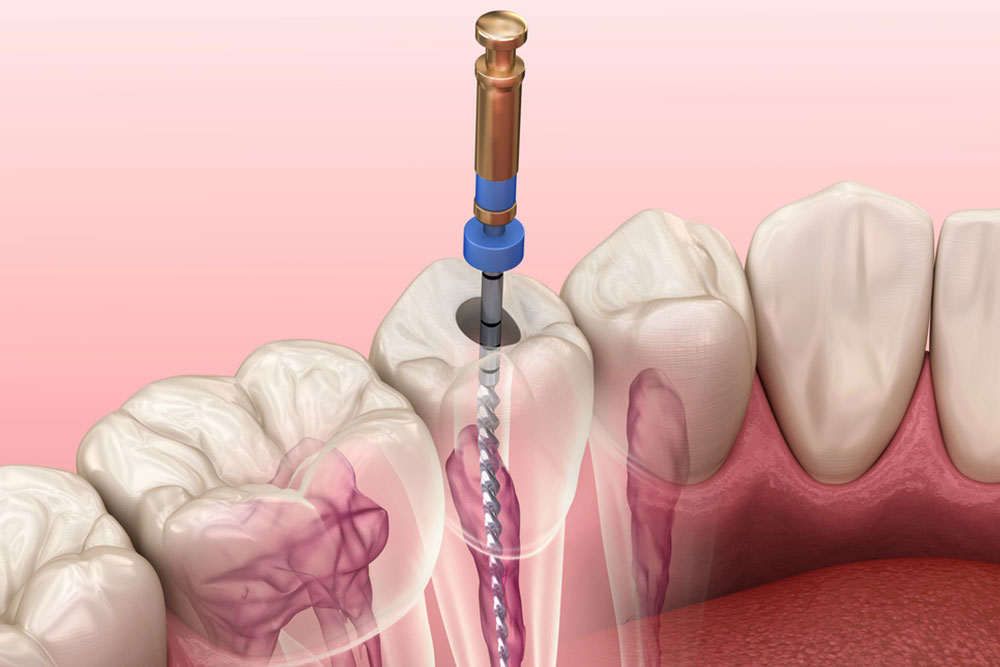
A root canal is often seen as a daunting procedure, but in reality, it is a highly effective way to treat infections and save a damaged tooth. Root canal treatment is designed to remove the infected pulp from inside the tooth, relieve pain, and restore proper function. Recognizing the early warning signs can make the difference between a simple, timely procedure and more complex dental issues down the line.
If you have asked yourself, how do you know if you need a root canal? here are seven common signs that may indicate the need for treatment. While only a dentist can confirm the diagnosis, being aware of these symptoms helps you seek care promptly.
Persistent Tooth Pain
One of the most common indicators of an infected tooth is persistent pain that doesn’t go away. The discomfort can be intermittent or continuous, and it can range in intensity from mild to severe. Chewing or applying pressure to the afflicted tooth often makes the discomfort worse, indicating that the pulp may be infected or irritated.
This type of pain may also radiate to surrounding teeth, the jaw, or even the ear on the same side. Many patients initially mistake the discomfort for sensitivity or minor dental issues, but ongoing pain should never be ignored. Early evaluation by a dentist guarantees timely treatment and prevents the infection from spreading.
Sensitivity to Hot and Cold
Teeth that react strongly to hot or cold foods and drinks may signal an issue with the tooth’s inner pulp. Mild sensitivity is common, especially after consuming very hot or cold items, but sharp, lingering, or intense pain is more serious. This reaction often means the nerves inside the tooth are irritated or damaged.
The discomfort happens because the pulp, the soft tissue containing nerves and blood vessels, has become inflamed or infected due to decay, trauma, or injury. Sometimes, the pain continues even after the hot or cold stimulus is removed, indicating that the inflammation is severe and the pulp may be dying.
Ignoring this symptom can allow the infection to worsen, increasing pain and potentially damaging surrounding teeth and bone.
Swelling and Tenderness in Gums
Swelling around a specific tooth or along the gum line can be a strong indicator of an infection deep within the tooth. The affected area may feel tender to the touch, and you might notice pain when biting, chewing, or even lightly pressing the gum.
In more severe cases, the swelling can extend beyond the immediate area, sometimes affecting the face, jaw, or lymph nodes, which signals that the infection may be spreading and requires prompt attention.
Gum tenderness often occurs alongside other warning signs such as redness, warmth, or the appearance of a small bump or “pimple” on the gum, known as a dental abscess. These abscesses are pockets of pus formed by bacterial infection and indicate that the pulp inside the tooth or surrounding tissues is compromised.
Left untreated, the infection can worsen. This potentially leads to bone loss, systemic illness, or the need for tooth extraction.
Discoloration of the Tooth
A tooth that changes color can be a sign of pulp damage or infection. Darkening or a grayish hue often indicates that healthy blood flow has been disrupted, commonly due to trauma or deep decay. Some discoloration may be purely cosmetic, but when accompanied by pain, sensitivity, or swelling, it usually signals that the tooth is compromised internally.
Discoloration does not always come with pain, so it’s important to monitor even minor changes in appearance. A professional evaluation can determine whether a root canal or other restorative treatment is necessary.
Prolonged Pain After Dental Work
Persistent pain following dental procedures such as fillings, crowns, or other restorative work may indicate that the tooth’s pulp has been affected. Temporary sensitivity is common after dental treatments, but pain that lasts several days, intensifies, or occurs when biting down can signal inflammation or infection in the pulp.
Routine activities like chewing, speaking, or smiling can become uncomfortable, and the pain may interfere with sleep or concentration. Post-procedural evaluation is often necessary to determine if additional treatment, such as a root canal, is needed to protect the tooth and prevent further damage.
This type of discomfort usually results from irritation of the nerve tissue inside the tooth, especially if decay was deep, the procedure was extensive, or the surrounding tissues experienced trauma during treatment. Monitoring the pain closely and communicating with your dentist helps prevent complications, preserve the tooth, and maintain overall oral health.
Pain When Chewing or Biting
Feeling sharp or throbbing pain when biting or chewing can be a strong sign that the tooth’s internal nerve is irritated or infected.
Unlike general sensitivity, this type of pain is usually localized to a specific tooth and often worsens when pressure is applied, such as when eating harder foods or biting down. The intensity of the pain can vary, from mild discomfort to severe throbbing, but it typically persists and interferes with normal daily activities.
The symptom is particularly important because it directly impacts essential functions like eating, speaking, and even smiling comfortably.
Presence of a Pimple-Like Bump on Gums
A small bump or “pimple” on the gum near a tooth may indicate a dental abscess, which is a pocket of pus caused by bacterial infection inside the tooth’s pulp. These bumps can sometimes drain on their own, releasing fluid that produces a salty or unpleasant taste in the mouth, but this is not a sign that the infection is gone.
Even if the discomfort seems mild, the presence of a bump signals that the infection has reached the gum tissue and needs professional evaluation.
Dental abscesses are serious because they can spread beyond the tooth and gums if left untreated, potentially affecting the jawbone, surrounding teeth, and even other areas of the body. Other signs may include swelling, tenderness, redness, and increased pain when biting or chewing.
When to Seek Professional Care
If you notice any of the signs mentioned above — persistent pain, sensitivity, swelling, discoloration, or a pimple-like bump on your gums — schedule a dental evaluation as soon as possible. Early treatment can save the tooth. It can also prevent the infection from spreading and reduce the risk of complications such as abscesses or bone loss.
Even if symptoms are mild or intermittent, a thorough examination can help your dentist determine whether a root canal is necessary or if other treatments may be appropriate.
Preventing Root Canal Needs
Some causes of root canal treatment, such as trauma or genetics, cannot be avoided. Steps exist to lower your risk. Good oral hygiene is essential. Brush twice daily with fluoride toothpaste, floss regularly, and use an antiseptic mouth rinse to reduce decay and infection that may reach the pulp.
Regular dental check-ups and cleanings are important. They allow your dentist to catch early signs of decay or infection before they worsen. Wearing a mouthguard during sports and using a night guard for teeth grinding can protect your teeth from damage that might affect the pulp.
A healthy diet that limits sugary and acidic foods can also help protect enamel and prevent cavities, which are a common precursor to infections requiring root canal therapy. By combining professional care with consistent at-home habits, many patients can avoid severe tooth infections and the need for complex procedures.
Root Canal Treatment: What to Expect
If a root canal is recommended, it’s helpful to understand what the procedure involves. A root canal extracts the tooth’s infected pulp, thoroughly cleans the canals, and closes them to stop reinfection. This preserves the natural tooth structure, allowing it to function normally for years to come.
The procedure is typically performed under local anesthesia, making it comfortable and virtually pain-free during treatment. After the canal is cleaned and sealed, a crown or filling is placed to restore strength and protect the tooth. Recovery is usually quick, with mild discomfort or sensitivity that can be managed with over-the-counter pain relievers.
Root canal therapy is highly successful, with modern techniques and materials allowing for predictable outcomes that restore both comfort and function. Early treatment often results in faster recovery and longer-lasting results, underscoring the importance of acting promptly when symptoms appear.
How The Grove Family Dental Can Help
The Grove Family Dental knows that experiencing tooth pain or infection can be stressful and overwhelming. We provide compassionate, patient-focused care to make sure that each root canal procedure is as comfortable and efficient as possible.
As a family-owned practice, we take the time to listen to your concerns, explain your treatment options clearly, and guide you through every step of the process. Whether it’s a single root canal or more extensive restorative work, we use advanced techniques and materials to achieve lasting results while prioritizing your comfort.
We also offer same-day appointments and flexible scheduling, including Friday and Saturday options, so you can receive timely care without unnecessary delays. Schedule an appointment today to have your tooth evaluated and take the first step toward relief and restored oral health!