
Dental implants have revolutionized tooth replacement, providing a long-lasting, natural-looking solution for patients with missing teeth. If you’re considering implants, it helps to understand the types of dental implants available and how each option is designed to meet different needs.
Choosing the right type depends on factors such as jawbone health, the number of missing teeth, and your personal goals for function and aesthetics. With the proper planning, dental implants can restore not just your smile, but your confidence and ability to eat, speak, and smile comfortably.
Endosteal Implants: The Most Common Choice
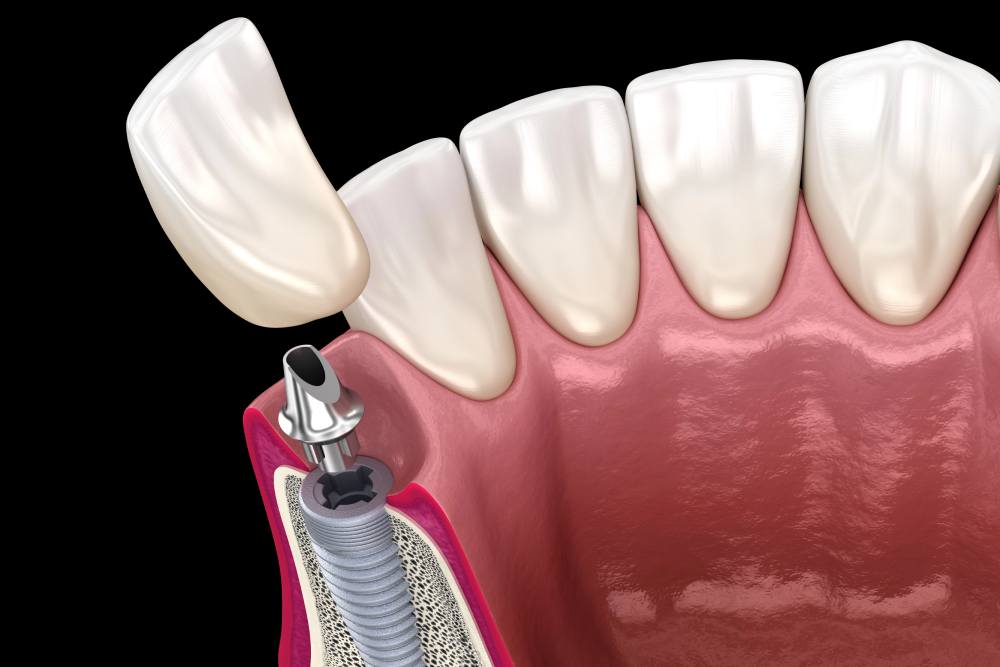
Endosteal implants are the most widely used type of dental implant, often recommended for patients who have sufficient healthy jawbone. These implants are surgically placed directly into the jawbone and act as a sturdy foundation for individual crowns, bridges, or dentures. Typically made of titanium, endosteal implants naturally integrate with the bone through a process called osseointegration, which provides long-term stability and durability.
The procedure involves placing the implant post, allowing time for healing, and then attaching the abutment and crown. Endosteal implants suit a range of dental needs. They can replace a single tooth or support multiple teeth in a full arch. Fusing directly with the jawbone, these implants offer strong support compared to traditional dentures and help prevent bone loss.
Patients often value the natural look and feel of endosteal implants. Proper care, including regular dental visits and oral hygiene, helps them last for decades. This type of implant works best for adults with good oral health and enough jawbone density.
Subperiosteal Implants: A Solution for Limited Bone
Subperiosteal implants are designed for patients with insufficient jawbone height or density. They are placed above the bone but below the gum line, unlike traditional implants that are inserted into the jawbone. A custom metal framework supports artificial teeth and is shaped to fit each patient’s jaw.
This type of implant can be a valuable option for patients who are not candidates for bone grafts or who wish to avoid more invasive surgical procedures. Subperiosteal implants help maintain stability while providing a natural appearance and functional support for chewing and speaking. The customized framework ensures that each implant fits securely and works harmoniously with surrounding teeth.
These implants are less common than endosteal implants. They are helpful for older adults or patients with severe bone loss caused by long-term tooth loss or periodontal disease. Recovery and care emphasize oral hygiene and follow-up visits to maintain long-term success.
Zygomatic Implants: For Severe Bone Loss
Zygomatic implants are a specialized type of dental implant anchored in the cheekbone instead of the jawbone. Patients with severe upper jaw bone loss who cannot use conventional implants without extensive grafting often benefit from this option. Anchoring in the dense zygomatic bone provides strong support for dental restorations.
The placement of zygomatic implants requires careful planning, thorough evaluation, and advanced surgical expertise for optimal results. They can support single teeth, multiple teeth, or full-arch prosthetics, effectively restoring both function and natural aesthetics. Patients often notice significantly improved comfort, enhanced stability, and renewed confidence once the implants are fully in place.
While this type of implant is less commonly needed, it demonstrates the versatility of modern dental implant solutions. Zygomatic implants allow patients with complex oral health challenges to regain a natural-looking, fully functional smile, often avoiding the need for prolonged or repeated procedures.
Choosing the Right Type of Dental Implant for Your Smile
Selecting the most suitable dental implant depends on several factors. These include the condition and strength of your jawbone, the number of missing teeth, and your overall oral health. Your dentist will carefully assess these factors and recommend a solution that delivers long-term stability, natural aesthetics, and reliable function.
Understanding the differences between the various types of dental implants helps patients feel confident in their decisions and allows them to anticipate results that meet both health and cosmetic goals.
Endosteal implants work well for patients with adequate bone density. They provide a versatile and dependable option for replacing single teeth or multiple teeth. Subperiosteal implants are designed for patients with limited bone height. They offer stable support without requiring extensive bone grafting procedures. Zygomatic implants are intended for severe upper jaw bone loss. They give patients with more complex oral health challenges the opportunity to regain full dental function and a natural-looking smile.
Considering the unique benefits and applications of each type of dental implant makes it easier to select the one that best suits your needs, lifestyle, and long-term oral health goals.
The Benefits of Dental Implants Beyond Appearance
Dental implants do more than replace missing teeth. They support oral health in ways that other tooth replacement methods cannot. Implants fuse directly with the jawbone, which helps preserve bone density, prevents nearby teeth from shifting, and maintains the natural structure of your face. Unlike removable dentures, implants offer a permanent, stable solution that lets you eat, speak, and smile with confidence without worrying about slipping or discomfort.
These restorations are designed to replicate the look and feel of natural teeth. Custom crowns, bridges, or full-arch prosthetics blend seamlessly with your existing teeth, creating a balanced and attractive smile. The durability of implants, combined with consistent oral hygiene, allows them to last for decades. This provides long-term advantages for both aesthetics and oral function.
Personalized Dental Implant Care with The Grove Family Dental
At The Grove Family Dental, we know that choosing a dental implant can feel overwhelming, especially with so many options available. Our approach is personalized and patient-centered, focusing on clear communication and compassionate care at every step. We take the time to evaluate your oral health, jawbone structure, and cosmetic goals to recommend the implant type that best suits your needs.
As a family-owned practice, we prioritize consistency in care. Whether you need a single tooth replacement or a full-mouth restoration, we use advanced techniques and high-quality materials to deliver results that feel natural, look beautiful, and last for years.
Schedule an appointment with us today to discuss your implant options and begin your journey toward a confident, fully restored smile.