
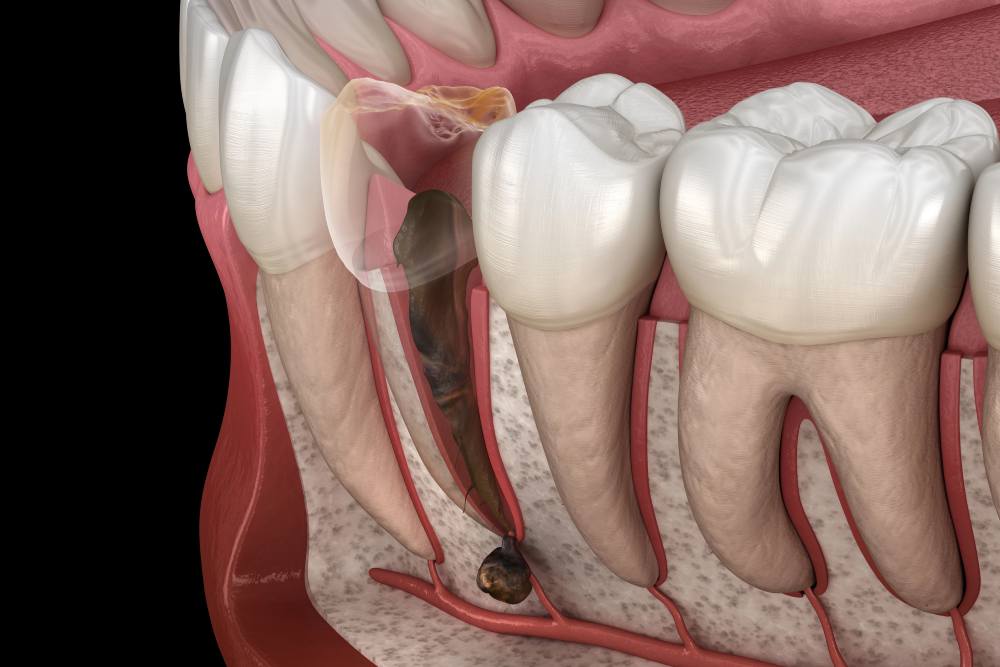
Dealing with tooth pain or sensitivity can be stressful, especially when you suspect an infection. Many people search for natural remedies for tooth infection symptoms to find temporary relief while deciding on the next steps. While it’s important to understand that home remedies cannot cure a dental infection, certain natural approaches may help ease discomfort and inflammation temporarily until you’re able to see a dentist.
Why Natural Remedies Are Only Temporary
While these methods may help ease symptoms, it’s important to be clear and reassuring: an infection will not go away on its own. The infection occurs deep inside the tooth, where home remedies cannot reach. Delaying treatment may allow the infection to spread, leading to increased pain and more complex dental issues.
Natural remedies are best used as short-term comfort measures, not replacements for professional care.
Warm Saltwater Rinses
One of the simplest and most effective ways to soothe oral discomfort is a warm saltwater rinse. Salt has natural cleansing properties and may help reduce bacteria in the mouth while calming irritated tissues.
Mix half a teaspoon of salt into a glass of warm water and gently rinse for 30 seconds before spitting it out. Repeat several times a day, especially after meals. This method is a classic among natural remedies for root canal infection, offering gentle relief for inflamed areas.
Cold Compress for Swelling and Pain
Facial swelling and persistent throbbing are common symptoms when a tooth infection is present, and they can make everyday activities uncomfortable.
Applying a cold compress to the outside of your cheek near the affected area may help reduce swelling by constricting blood vessels, which can temporarily limit inflammation. The cooling sensation can also help dull nerve activity, providing short-term pain relief.
To use a cold compress safely, wrap an ice pack or a bag of frozen vegetables in a clean towel and apply it to the outside of your face for 10–15 minutes at a time. Always allow breaks between applications to protect your skin and avoid irritation.
Clove Oil for Temporary Numbing
Clove oil contains eugenol, a natural compound traditionally used in dental care for its mild numbing and soothing effects. When applied carefully, clove oil may calm irritated nerves around the affected tooth or gum tissue, reducing pain sensation.
Place a small drop on a clean cotton swab and gently apply it to the painful tooth or surrounding gum tissue. Only a minimal amount is needed. Avoid applying directly to broken skin and do not swallow the oil. Stop use immediately if burning, irritation, or discomfort occurs. Clove oil is a popular choice among natural remedies for root canal infection, especially for short-term pain relief.
Hydrogen Peroxide Rinse (Diluted)
A diluted hydrogen peroxide rinse can reduce bacteria and loosen debris around the infected tooth, temporarily improving oral cleanliness and easing mild discomfort. Its bubbling action helps flush out food particles and bacteria from hard-to-reach areas.
Mix equal parts water and 3% hydrogen peroxide. Swish the solution around the mouth for about 30 seconds, then spit it out completely. Rinse with plain water afterward to avoid irritation. Use this rinse sparingly, as overuse can irritate gums or disrupt the natural balance of oral tissues.
Rest and Head Elevation
Pain from a dental infection can feel worse when lying flat. Keeping your head elevated while resting or sleeping may help reduce pressure and throbbing sensations. Adequate rest also supports your body’s natural ability to manage inflammation, promote healing, and reduce overall discomfort effectively.