
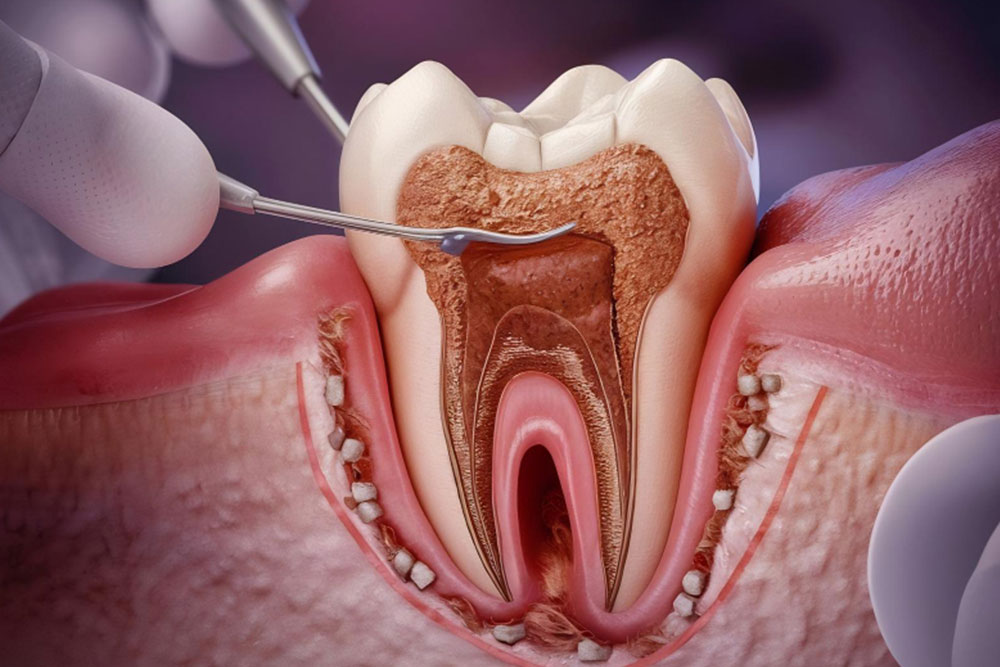
Tooth pain often signals a deeper issue that reaches beyond the enamel surface. Infection inside a tooth can disrupt daily comfort, affect eating habits, and lead to serious oral problems if ignored. Dentists rely on several treatment approaches to remove infected pulp and preserve natural teeth as part of complete dental care in Glendale.
Understanding the types of root canal treatment helps patients feel informed before care begins. Each method addresses a specific level of damage, tooth structure, or treatment history. Clear knowledge allows patients to approach dental decisions with confidence and realistic expectations.
Why Dentists Use Different Root Canal Methods
Not all teeth share the same anatomy. Some teeth contain one root canal, while others include several narrow channels. Infection severity, tooth location, and past dental work also guide treatment selection. A general dentist reviews X-rays, symptoms, and overall tooth structure before choosing the most appropriate approach.
The goal remains simple: remove infection, restore comfort, and protect chewing function. These treatment options allow care to match each patient’s clinical needs instead of relying on a single method for every case.
Conventional Root Canal Treatment
Conventional root canal therapy remains the most common approach. Dentists use this method when infection reaches the pulp but the tooth structure remains stable.
The dentist numbs the area, creates a small opening in the tooth, and removes infected pulp tissue. Special instruments clean and shape the canals. After cleaning, the dentist fills the space with a biocompatible material and seals it. A crown often follows to restore strength.
This treatment works well for deep decay, cracked teeth, or trauma-related infections. Most patients resume daily activities within a day, with mild tenderness for a short period.
Endodontic Retreatment
Sometimes a tooth treated years earlier develops a new infection. Endodontic retreatment addresses this issue by reopening the tooth.
The dentist removes the old filling material and carefully cleans the canals again. This step clears hidden bacteria, untreated canals, or contamination caused by crown damage. After reshaping, the canals receive new filling material, followed by sealing and crown placement.
Patients choose retreatment when pain, swelling, or sensitivity returns. Recovery feels similar to a standard procedure, with temporary soreness managed through basic care instructions.
Apicoectomy (Root-End Surgery)
An apicoectomy treats infection that persists near the root tip after prior treatment. Dentists recommend this surgical option when standard methods cannot reach the problem area.
The dentist numbs the gum, creates a small incision, and removes the infected root tip. A sealing material closes the canal end, and the gum heals naturally.
This procedure addresses complex root anatomy or tiny cracks not visible on X-rays. Healing takes slightly longer than non-surgical options, but discomfort usually remains mild and short-lived.
Pulpotomy
A pulpotomy removes only the infected portion of pulp from the crown of the tooth while leaving healthy root tissue intact. Dentists often use this method for children, though adults with early-stage infection may also qualify.
After removing infected tissue, the dentist places medication to protect the remaining pulp and seals the tooth. This approach reduces pain and allows continued root development in younger patients.
Pulpotomy works best when infection remains limited and early detection occurs during routine dental visits.
Pulp Capping
Pulp capping applies when the pulp becomes exposed but not infected. Dentists place a protective medicated layer over the pulp to encourage healing and prevent bacterial invasion.
This method suits small exposures caused by decay removal or minor trauma. Dentists may use direct or indirect pulp capping based on exposure severity.
Successful pulp capping helps patients avoid more invasive procedures when treatment occurs early. Ongoing monitoring remains important to confirm long-term tooth health.
How Dentists Decide the Right Approach
Dentists evaluate symptoms, tooth structure, infection depth, and treatment history before recommending care. X-rays reveal canal shape, root length, and bone changes. Pain type, swelling, and sensitivity patterns also guide decisions.
In many cases, early diagnosis allows simpler treatment. Advanced infection may require surgical care or retreatment. Understanding the types of root canal treatment allows patients to ask informed questions and feel prepared during consultations.
Recovery and Long-Term Tooth Health
Most root canal procedures involve minimal downtime. Patients may notice tenderness for several days, especially after chewing. Dentists often advise soft foods, careful brushing, and crown placement for protection.
Preserving the natural tooth helps maintain bite alignment and chewing balance. Good oral hygiene and regular dental visits reduce the chance of reinfection.
Patients who follow aftercare instructions often enjoy long-lasting results and restored comfort.
Take the Next Step With The Grove Family Dental
At The Grove Family Dental, we guide patients through treatment options with clear explanations and thoughtful care. Our family-owned practice focuses on comfort, continuity, and same-day attention when pain occurs.
If tooth discomfort raises concerns, contact us today to discuss next steps toward lasting oral health.
Leave a Reply