
Replacing a missing tooth is not just about restoring appearance; it also involves rebuilding function and long-term oral health. How long does a dental implant procedure take? It’s a question many patients ask because the process includes several stages rather than a single visit. Each step, from evaluation to final restoration, requires time for healing and precision.
Understanding this timeline helps you plan ahead and feel more confident about treatment. With the right approach and consistent follow-up care, dental implants can deliver a stable and natural-looking result that lasts for many years.
At The Grove Family Dental, patients seeking dental implants in Glendale, AZ benefit from personalized treatment, modern techniques, and comprehensive care all in one place.
Understanding the Dental Implant Timeline
Dental implants replace both the visible tooth and its root, which is why the process takes longer than other restorative options. While the surgical placement of an implant may take about one hour, the complete treatment often spans several months.
On average, the entire process can take anywhere from four to eight months. This timeline depends on factors such as bone health, healing speed, and the need for additional procedures. Dental implants are part of advanced general dental services, often combined with other treatments to restore full oral function.
Step-by-Step Breakdown of the Procedure Timeline
● Consultation and Evaluation (1 Appointment)
The first step involves a detailed dental examination. During this visit, the dentist reviews your oral health, takes X-rays or scans, and discusses your goals.
This stage determines if you are a suitable candidate for implants. The dentist evaluates gum health, bone density, and any underlying conditions that may affect treatment.
● Treatment Planning (Same Visit or Follow-Up)
After the evaluation, a customized plan is created. This includes the number of implants needed, their placement, and the overall timeline.
Advanced imaging technology helps map out precise positioning, which improves both function and appearance. This planning phase sets the foundation for a successful outcome.
● Tooth Extractfion and Bone Grafting (If Required)
If a damaged tooth is still present, it may need to be removed before implant placement. In some cases, this step occurs during the same appointment as surgery.
Patients with insufficient bone may require a bone graft. This procedure strengthens the jaw and creates a stable base for the implant.
Healing after a bone graft can take up to four months. This stage plays a major role in determining how long the full process will take.
- Implant Placement Surgery (1 Appointment)
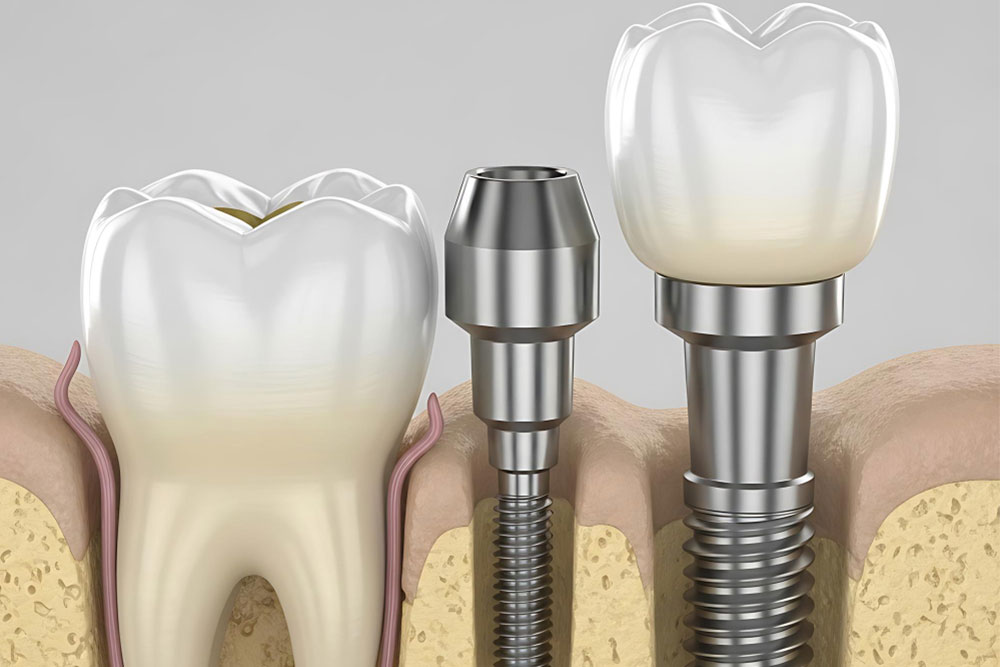
The surgical placement of the implant is a key milestone. During this procedure, a titanium post is inserted into the jawbone.
The surgery itself usually takes about one hour per implant. Local anesthesia or sedation keeps the patient comfortable. Most people experience only mild discomfort afterward.
● Healing and Osseointegration (3 to 6 Months)
After surgery, the implant needs time to bond with the jawbone. This process, known as osseointegration, creates a strong foundation similar to a natural tooth root.
Healing typically takes three to six months. During this time, patients may receive a temporary tooth to maintain appearance and function.
Following aftercare instructions during this phase supports proper healing and long-term success.
● Abutment and Restoration (1 to 2 Appointments)
Once healing is complete, the dentist attaches a small connector piece called abutment, which connects the implant to the final restoration.
The final step involves placing a custom crown, bridge, or denture. This restoration matches the color and shape of your natural teeth.
Depending on the technology used, this stage may take one or two visits.
- Ongoing Maintenance (Every 4 to 6 Months)
After the implant is fully restored, regular dental visits help maintain its condition. Routine check-ups and cleanings are part of ongoing general dental services.
With proper care, the implant itself can last a lifetime, while the restoration may need replacement after several years.
Factors That Affect How Long the Process Takes
● Bone Health
Patients with strong jawbone density may move through the process faster. Those who need bone grafting will require additional healing time.
- Number of Implants
Replacing a single tooth may take less time than restoring multiple teeth or a full arch.
- Healing Ability
Each person heals at a different rate. Age, overall health, and lifestyle habits can influence recovery time.
- Oral Health Conditions
Gum disease or infections must be treated before implant placement. Addressing these conditions can extend the timeline but improves long-term success.
Why Dental Implants Take Time
Dental implants require patience because they involve biological processes. The implant must fuse with the bone to create stability. This natural integration cannot be rushed without increasing the risk of failure.
Unlike dentures or bridges, implants are designed to function like real teeth. This level of durability comes from careful planning and adequate healing time.
Benefits of Waiting for Proper Healing
Although the timeline may seem long, the results offer significant advantages:
- Strong and stable tooth replacement
- Natural appearance and function
- Preservation of jawbone structure
- Improved comfort compared to removable options
Allowing each stage to progress fully contributes to long-lasting outcomes.
Tips to Support a Smooth Implant Timeline
● Maintain Good Oral Hygiene
Brush and floss daily to keep the implant area clean and reduce the risk of complications.
- Follow Dental Instructions
Adhering to post-procedure guidelines helps the healing process stay on track. This may include dietary adjustments and medication use.
- Avoid Smoking
Smoking can slow healing and affect the integration of the implant with the bone.
- Attend Regular Check-Ups
Routine visits allow the dentist to monitor progress and address any concerns early.
Comparing Dental Implants to Other Options
Traditional tooth replacement methods, such as dentures and bridges, may take less time initially. However, they often require adjustments or replacements over time.
Dental implants, on the other hand, focus on long-term stability. While the process takes longer, the results often last much longer and function more like natural teeth.
Is the Waiting Period Worth It?
For many patients, the answer is yes. Dental implants offer a reliable solution that improves both oral health and quality of life.
Understanding how long a dental implant procedure takes helps set realistic expectations. The time invested in treatment often leads to lasting comfort, improved function, and a confident smile.
Schedule Your Visit With a Family Dentist in Glendale
At The Grove Family Dental, we take a personal approach to care in a warm, welcoming setting where you meet with the same dentist each time. From dental implants Glendale AZ to routine visits and emergency dentist Glendale care, we serve patients throughout Glendale and Peoria, AZ.
Call us today, fill out your patient forms, or schedule your appointment.
Leave a Reply